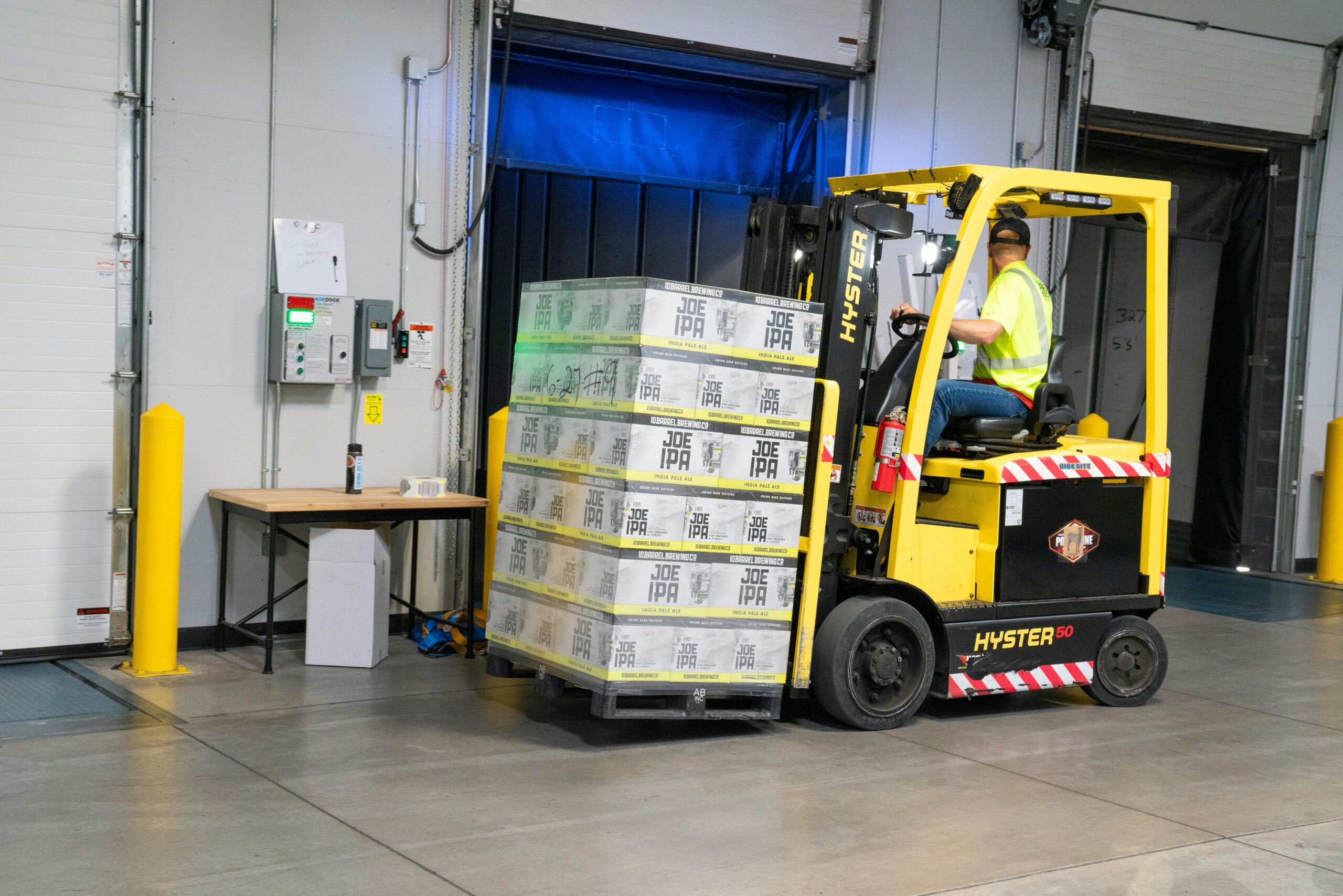
Quick Answer: How Do You Model Shipping Lanes and Transportation Costs? Define your network topology first. Map every origin, destination, and intermediate node before assigning cost parameters to any lane. Decompose transportation
Quick Answer: What Are the Most Important Factors When Evaluating Supply Chain Optimization Software? Prescriptive analytics engine — Goes beyond reporting to recommend optimal decisions across your network. End-to-end visibility — Provides
Scope of Analysis: Value chain optimization spans every profit-and-loss lever across procurement, production, logistics, and commercial decisions — traditional network design tools focus almost exclusively on facility and transportation footprint. Objective Function:
Quick Answer: What Are the Key Limitations of Using Spreadsheets for Supply Chain Optimization? Limited scalability — Spreadsheets degrade in performance and reliability as data volumes grow, making enterprise-scale supply chain modeling
Quick Answer: How Do You Choose Between a Build-vs-Buy Approach for Supply Chain Analytics? Assess your differentiation needs — If analytics capabilities are a core competitive differentiator, building may justify the cost
Quick Answer: What Are the Most Important Questions to Ask a Supply Chain Optimization Software Vendor? What optimization methodology does the platform use? — Understand whether the vendor uses linear programming, mixed-integer
Small deployments (8–12 weeks): Limited scope, single business unit, minimal data complexity, and pre-built connectors to common ERP systems. Mid-market implementations (3–6 months): Multi-site operations, moderate data cleansing requirements, and moderate process
Quick Answer: What Are the Core Components of Total Cost of Ownership for a Supply Chain Optimization Solution? Software Licensing or Subscription Fees — The direct cost of the platform, whether SaaS,
Quick Answer: How Do Leading Companies Use Cloud-Based Supply Chain Optimization on Azure? Demand Forecasting at Scale — Azure Machine Learning enables companies to process massive datasets and generate high-accuracy demand signals
Definition: A no-code supply chain optimization platform lets business users build, run, and update optimization models without writing a single line of code. Core Technology: These platforms use prescriptive analytics engines —