
Static network design is no longer enough. Companies still need facility, lane, sourcing, and inventory footprint analysis, but point-in-time optimization alone misses the speed and volatility of modern operations. The next step
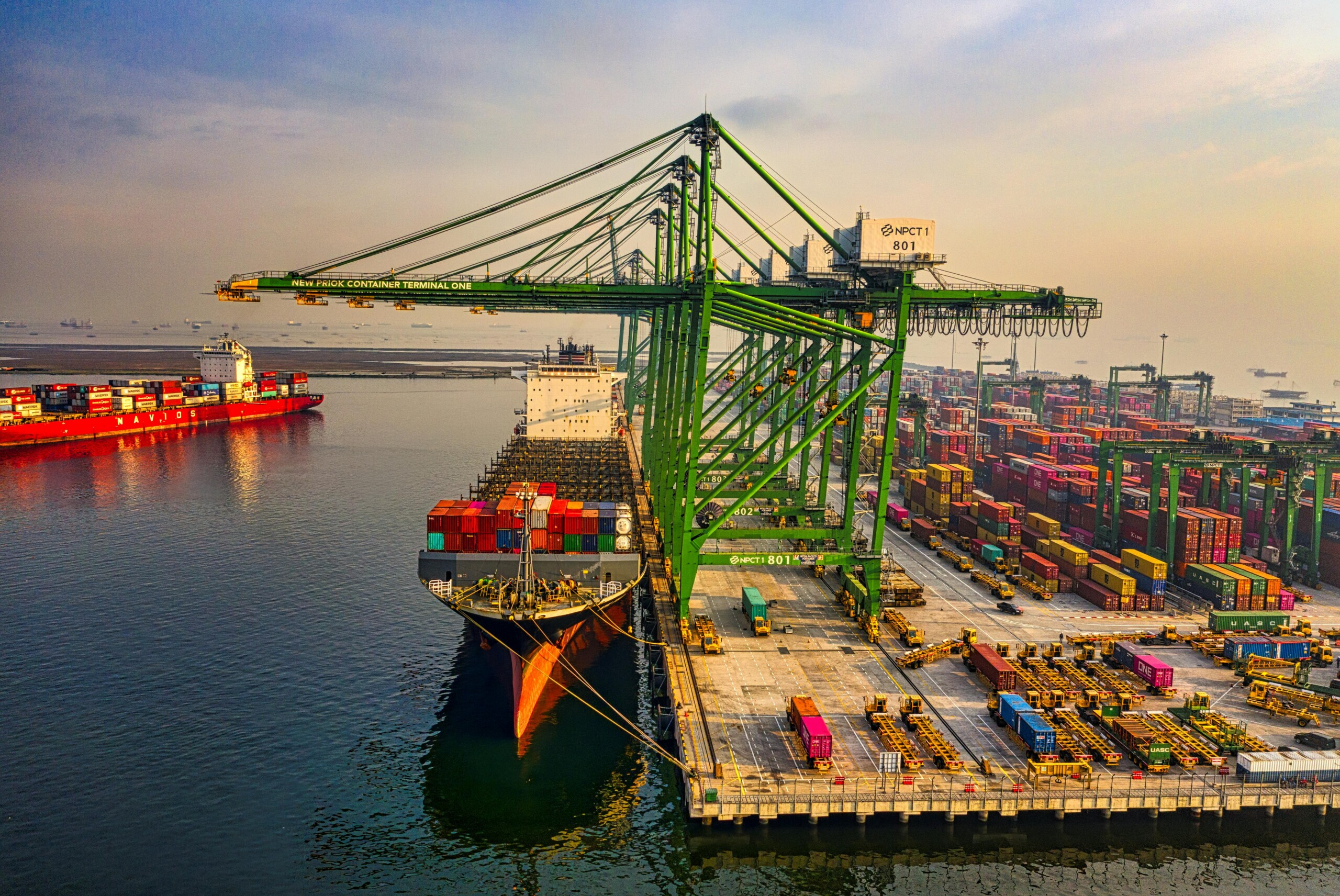

Sustainability and profitability are not mutually exclusive — Modern supply chain optimization platforms demonstrate that reducing waste, emissions, and inefficiency simultaneously lowers costs and improves

Quick Answer: What Are the Key Trade-Offs Between Supply Chain Cost and Carbon Emissions? Transportation mode selection — Air freight is fast but emits up
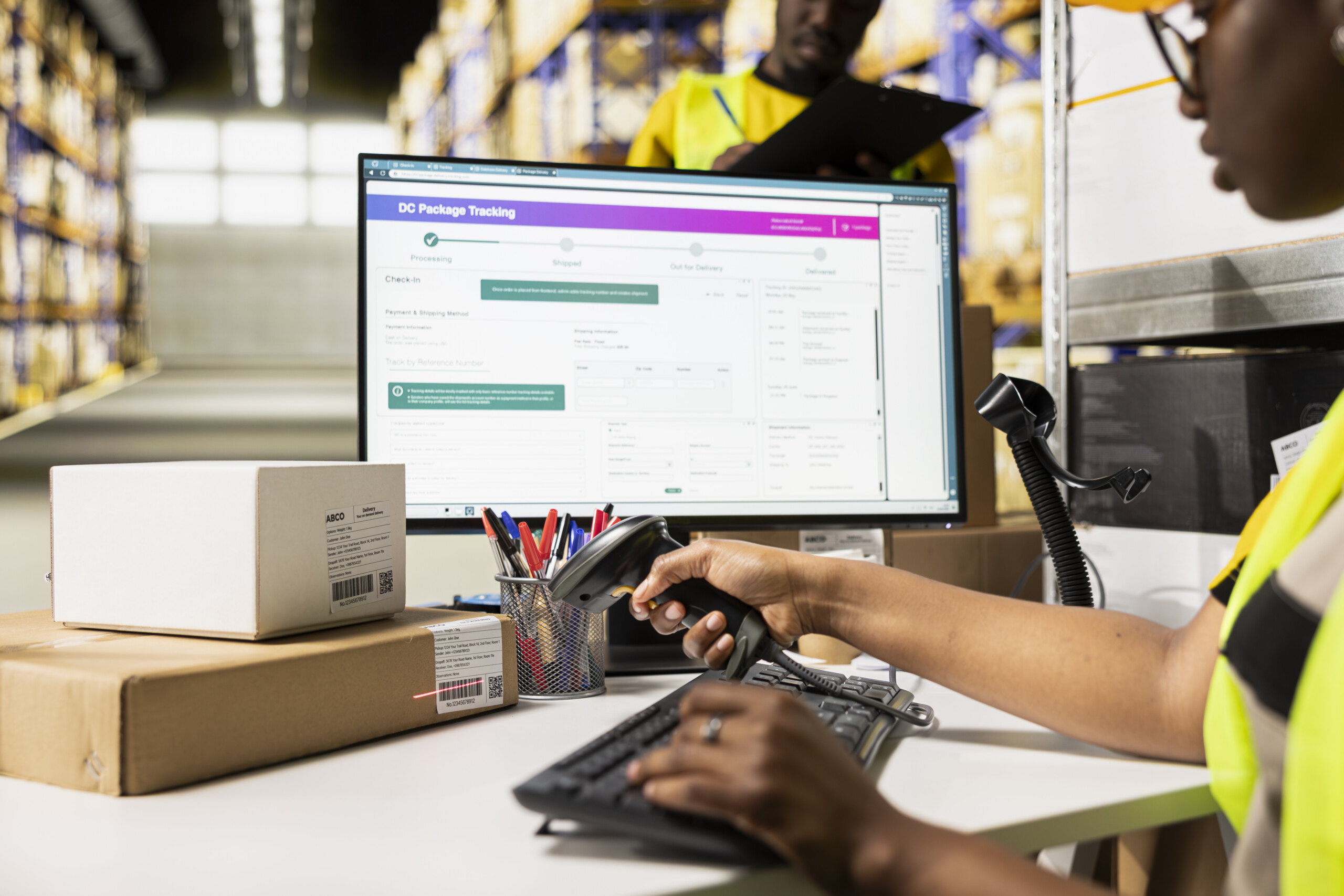
Quick Answer: How Do You Measure and Reduce Scope 3 Emissions in a Supply Chain? Map your value chain: Identify all upstream and downstream activities

Quick Answer: How Is AI Being Used to Build More Sustainable Supply Chains? Demand forecasting: AI models reduce overproduction and waste by predicting demand with

Scope 3 Emissions Mapping — Identify and quantify all upstream and downstream emissions across your entire value chain, not just your own operations. Science-Based Targets
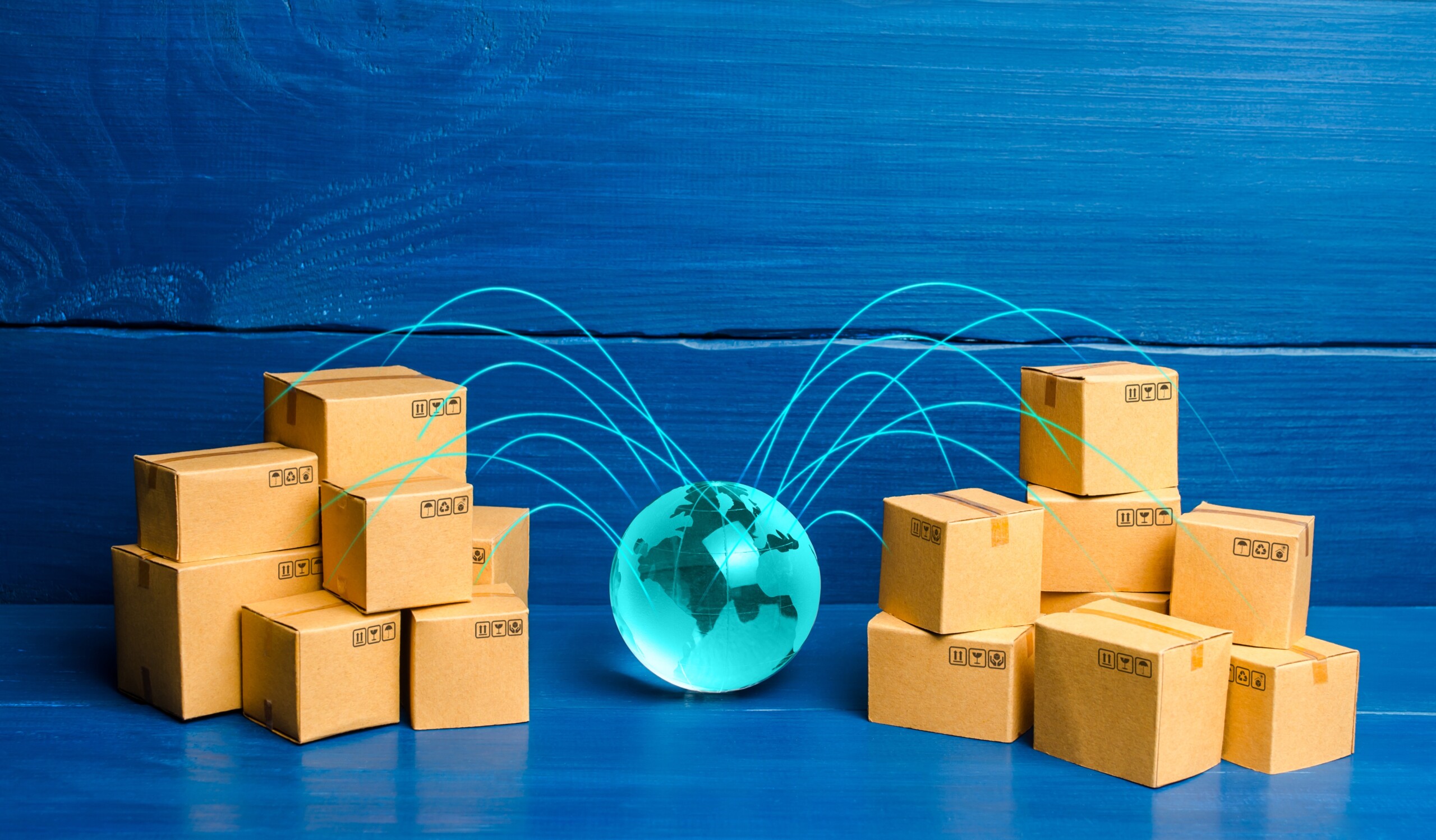
Quick Answer: How Do You Incorporate ESG Goals Into a Supply Chain Network Redesign? Establish a baseline ESG scorecard — Measure current emissions, labor practices,

Quick Answer: What Are the Biggest Supply Chain Challenges in the Pharmaceutical Industry? Regulatory Compliance Complexity — Navigating multi-jurisdictional regulations (FDA, EMA, WHO) adds cost

Map your end-to-end supply network: Identify every supplier, contract manufacturer, and logistics partner to eliminate blind spots before disruption strikes. Diversify your supplier base: Qualify

Map the Full Supply Chain Network — Chemical companies document every node from raw material sourcing to end-customer delivery to expose hidden dependencies and single

Centralized Demand Sensing: Retailers aggregate real-time POS, e-commerce, and historical data to generate accurate, SKU-level demand forecasts across every node in the network. Inventory Positioning
Artificial intelligence is changing supply chain optimization, but it is not a magic system that can fix messy networks, bad data, weak planning processes, or conflicting business objectives on its own. In
How Do Large Language Models (LLMs) Help Supply Chain Planners? LLMs speed up analysis, they turn long planning notes, exception logs, emails, and supplier updates into short decision-ready summaries. LLMs improve planner
Linear programming is a mathematical optimization method used to choose the best possible outcome, usually the lowest cost, highest profit, fastest throughput, or best service level, subject to business constraints. In supply
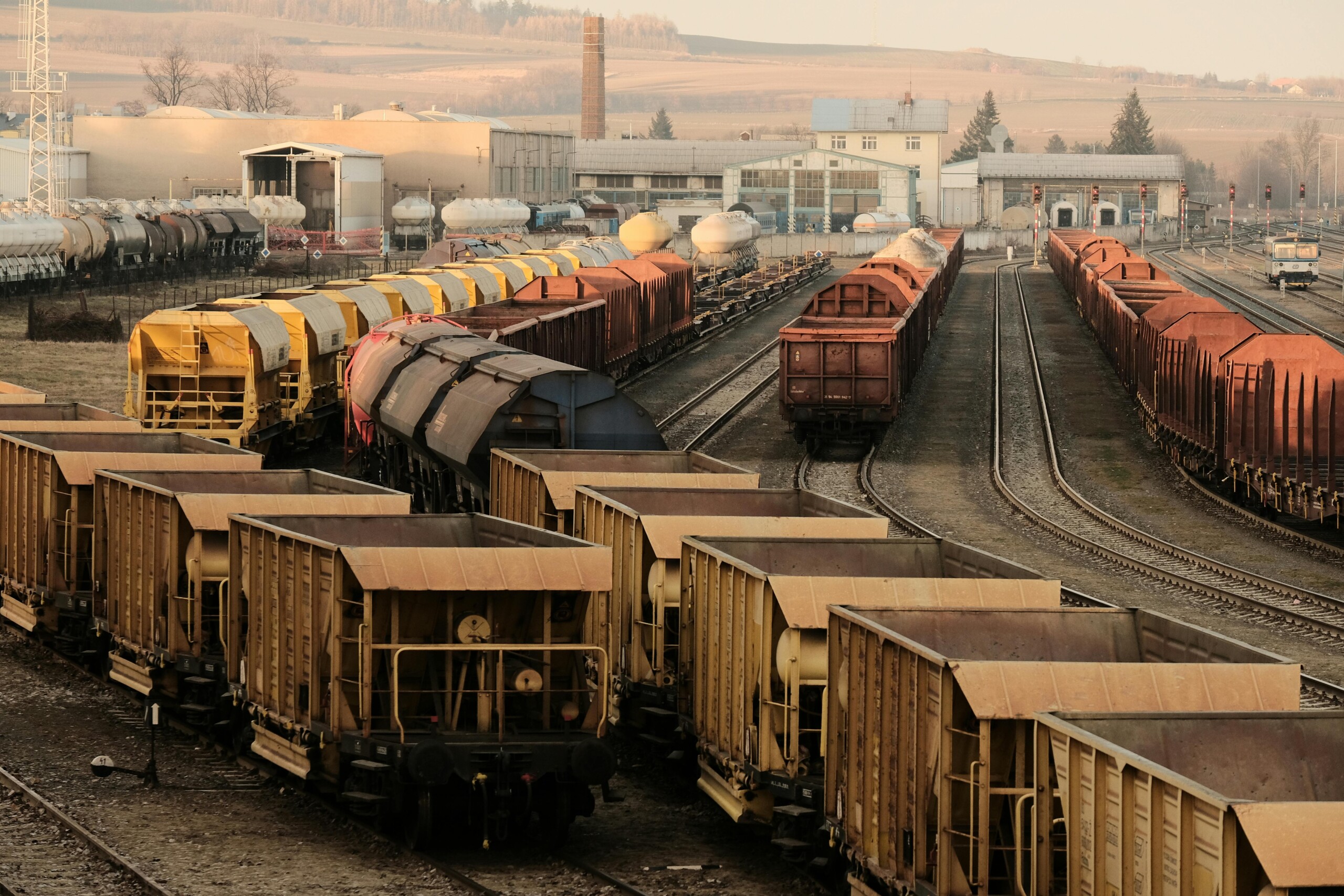
How Does Supply Chain Optimization Improve Working Capital Management? The answer is simple: it converts inventory, receivables, and payables from disconnected finance metrics into operational levers that can be modeled, controlled, and
Reducing cost without damaging customer performance is one of the hardest balancing acts in operations. The companies that do it well do not chase isolated cuts. They redesign the operating model, remove
Let’s Work Together
Tell me more about your project
Lorem ipsum dolor sit amet, consectetur adipiscing elit, sed do eiusmod tempor incididunt ut labore et dolore magna aliqua. Ut enim ad minim veniam, quis nostrud exercitation ullamco laboris nisi ut aliquip ex ea commodo consequat. Duis aute irure dolor in reprehenderit in voluptate velit esse cillum dolore eu fugiat nulla pariatur.